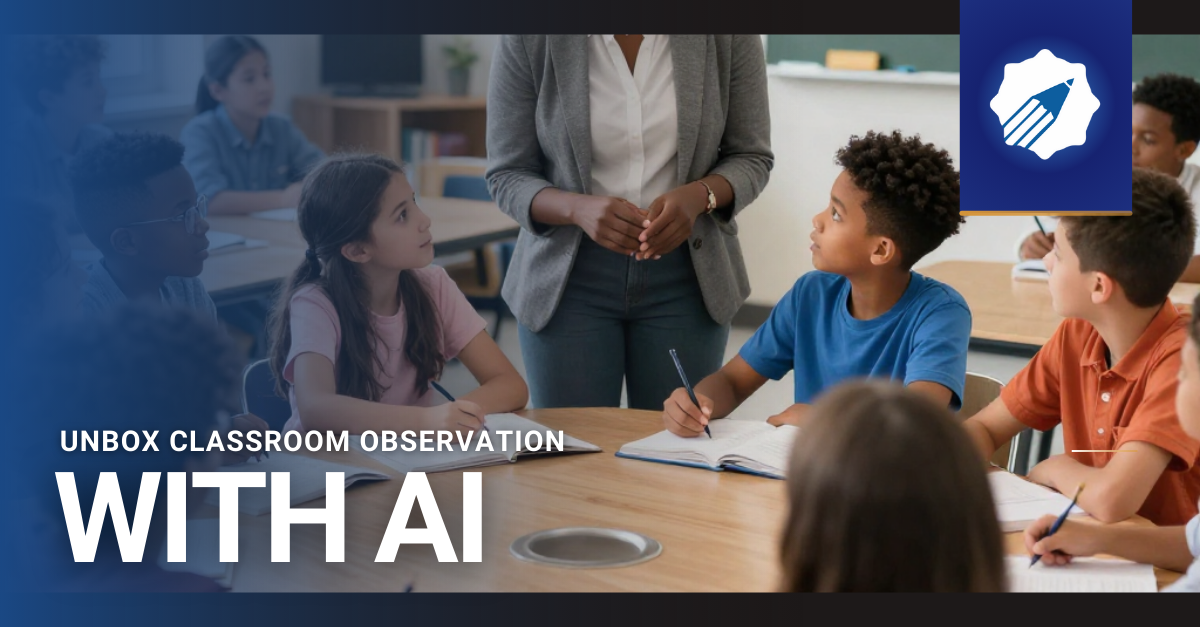
Introduction: The Hidden World of Classroom Dynamics Classrooms are complex ecosystems. Every teacher-student interaction, every question asked, every response given, contributes to the overall learning experience. Yet, much of what happens during lessons remains invisible—often referred to as the “black box†of teaching and learning.
Recent studies show that student engagement is directly linked to measurable learning outcomes (Fredricks, Blumenfeld, & Paris, 2004). However, traditional observation methods, like periodic classroom visits or standardized test scores, fail to capture the nuanced interactions that truly drive learning.
This is where AI-powered pedagogy comes in. By analyzing real-time classroom data, AI provides actionable insights that reveal what’s happening inside the classroom and helps educators optimize learning for every student.
How AI-Powered Pedagogy Works
AI-powered pedagogy leverages machine learning algorithms, natural language processing, and real-time analytics to track and assess classroom interactions.
Some key capabilities include:
Teacher-Student Interaction Analysis – AI can track the number and quality of questions asked, response times, and participation patterns.
Engagement Metrics – By analyzing attention spans, participation, and activity levels, AI identifies which students are struggling or excelling.
Curriculum Alignment – AI maps classroom activities to learning objectives, highlighting areas where objectives are not being met.
Personalized Recommendations – Teachers receive actionable suggestions to adjust teaching methods, group students effectively, and tailor instruction to learning styles.
A 2022 RAND Corporation study found that schools using AI analytics in classrooms improved student performance by 15–20% within the first academic year. This demonstrates the potential of AI not just as a monitoring tool, but as a strategic lever for educational outcomes.
Why Most Teacher-Student Sessions Remain a “Black Boxâ€
Several factors contribute to the lack of visibility in classrooms:
Limited Observational Opportunities – Administrators cannot observe every class or capture every interaction.
Subjective Evaluation – Human observers often rely on anecdotal impressions rather than objective data.
Inconsistent Feedback Loops – Teachers rarely get structured, real-time insights into their teaching effectiveness.
This lack of transparency can lead to misaligned curriculum objectives, disengaged students, and missed opportunities to support struggling learners.
Evidence-Based Benefits of AI in Teacher-Student Sessions
1. Improved Learning Outcomes AI identifies gaps between curriculum goals and actual classroom delivery. Schools using AI-powered tools report higher mastery rates and improved test performance.
2. Personalized Student Support AI-driven insights allow teachers to tailor interventions to individual students. Research from the Bill & Melinda Gates Foundation highlights that personalized learning increases student achievement by up to 30% compared to one-size-fits-all instruction.
3. Teacher Development and Efficiency AI doesn’t replace teachers—it empowers them. By highlighting effective strategies and pinpointing areas for improvement, AI acts as a data-driven coach, helping teachers refine their practice.
4. Scalable Insights Across Schools Districts can aggregate AI data across classrooms to spot patterns, share best practices, and implement evidence-based policies that improve outcomes at scale.
Case Study: Transforming U.S. Classrooms
Consider a middle school in Texas that adopted Edves’ AI-powered pedagogy tools in 2025. Within six months:
Student engagement increased by 25%
Teachers reported a 40% reduction in grading and administrative workload
Standardized test scores improved by an average of 12%
The school attributed these results to data-driven adjustments in teaching methods and targeted student support, all powered by AI insights.
The Future of AI in Classrooms
AI is not a replacement for educators—it is a partnership tool. By uncovering what happens inside the “black box,†AI empowers schools to:
Align classroom activities with curriculum objectives
Improve teacher effectiveness and professional development
Deliver personalized learning experiences at scale
As AI becomes increasingly integrated into U.S. schools, classrooms will become more transparent, measurable, and student-centered than ever before.
Call to Action
Curious to see how AI can reveal the true dynamics of your classrooms? Book a demo with Edves today and discover how our AI-powered pedagogy transforms teacher-student sessions into actionable insights that drive learning outcomes.
References:
Fredricks, J.A., Blumenfeld, P.C., & Paris, A.H. (2004). School Engagement: Potential of the Concept, State of the Evidence. Review of Educational Research, 74(1), 59–109. RAND Corporation (2022). Using AI to Improve Classroom Learning: Evidence from Early Implementation. Bill & Melinda Gates Foundation (2020). The Future of Personalized Learning.